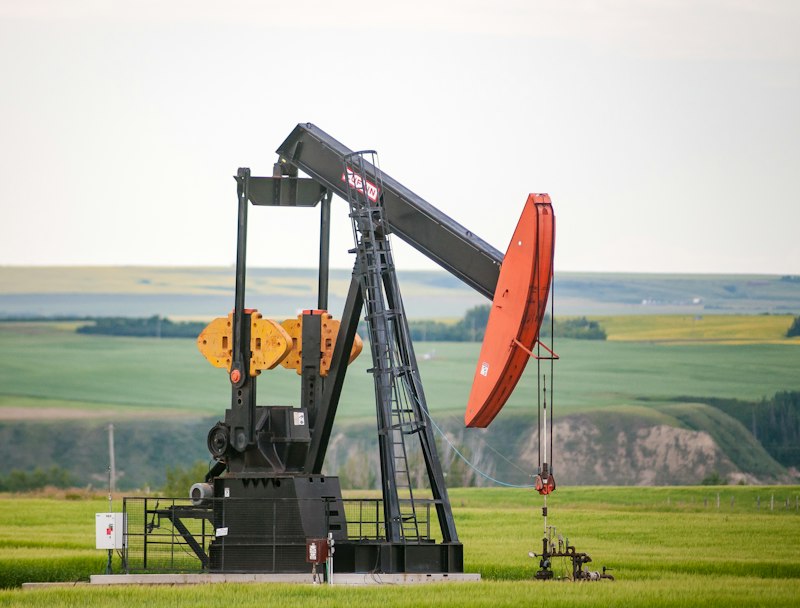
Two weeks ago oil was easing as governments released emergency stocks. This week it turned. On Friday 16 October Brent touched $110 a barrel for the first time since May and closed near $109.9. US crude (WTI) closed near $101.4, up about 10% on the week.
The sea route. Iranian attacks on tankers in the Strait of Hormuz continued. Ship-tracker Kpler says flows through the strait averaged 11.6 million barrels a day in the week to 13 October, about 68% of pre-war levels. Freight has become so expensive that shipping now makes up more than a quarter of the landed cost of crude, against 3% before the war, Jefferies estimates.
New fronts. Houthi militants fired missiles at Saudi Arabia, raising fears for its export plants, and Ukraine said it would keep striking Russian refineries. In the US, crude stocks fell 8.6 million barrels in the week to 9 October, the biggest draw since February, after a hurricane shut output in the Gulf of Mexico.
The response. On 15 October the IEA agreed to speed up the last 100 million barrels of the emergency release pledged in March, including more than 20 million barrels of diesel. ING says prices still carry a large risk premium that only a US–Iran agreement would remove.
In short: India imports most of its oil, and the Indian crude basket has averaged about $120 a barrel this October. MCX crude, priced in rupees, closed Thursday at ₹9,175 a barrel against about ₹6,500 before the war, and it moves with both WTI and the rupee.
Sources: BusinessToday, 17 Oct 2026; Yahoo Finance, 16 Oct 2026; HDFC Sky weekly review, 17 Oct 2026 (Kpler, EIA, Jefferies, MCX); OilPrice.com (ING), 16 Oct 2026; Bloomberg and Rigzone (IEA), 15–16 Oct 2026. News for information only; not a recommendation to buy or sell.
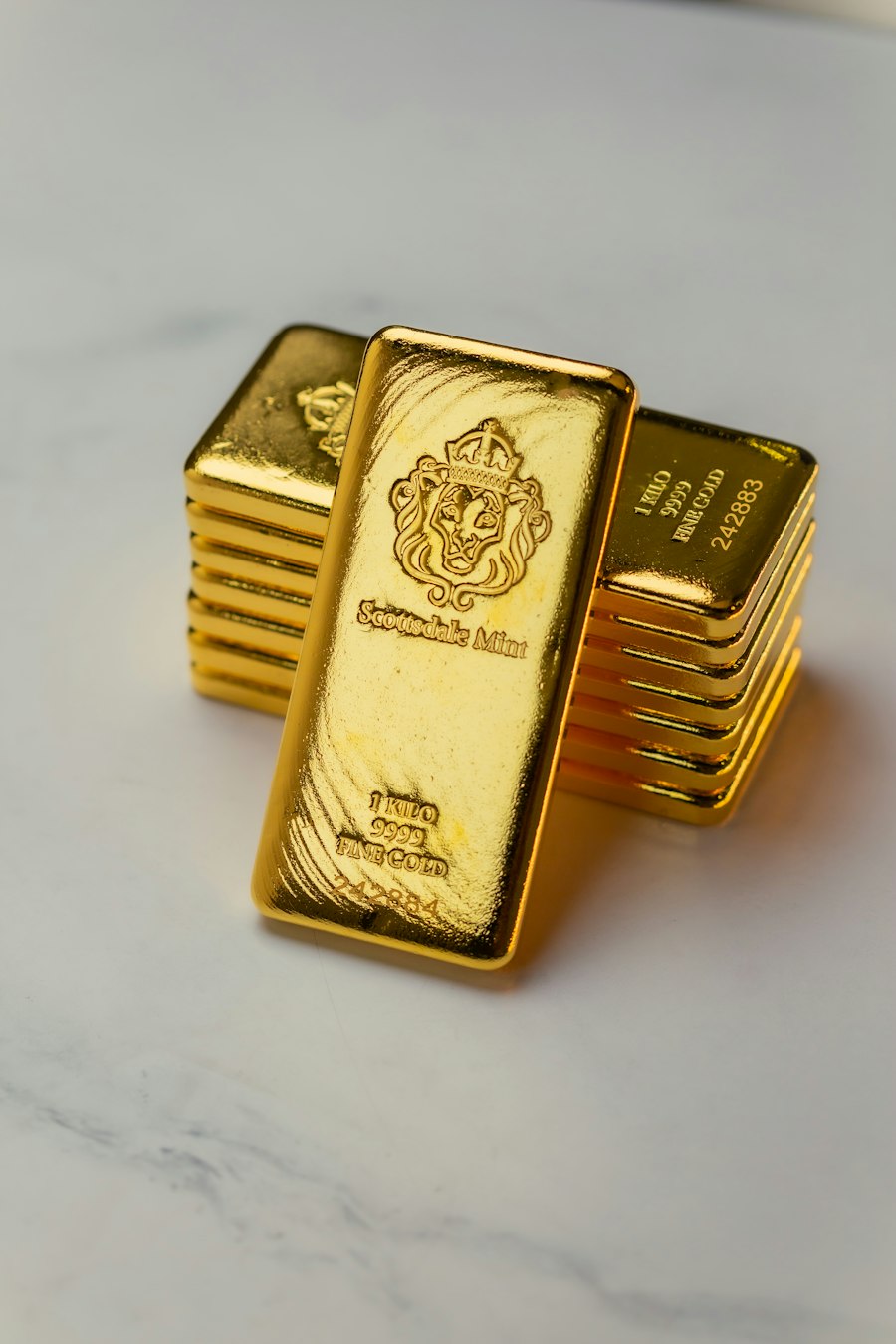
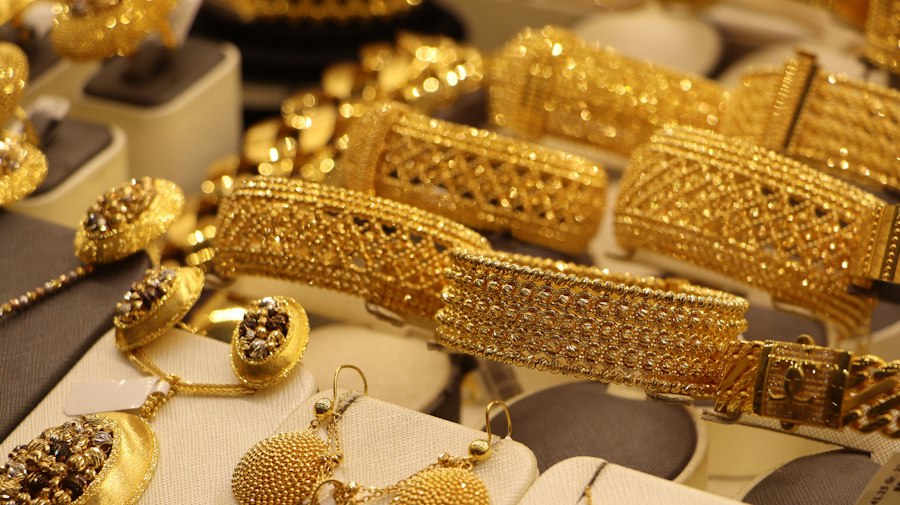
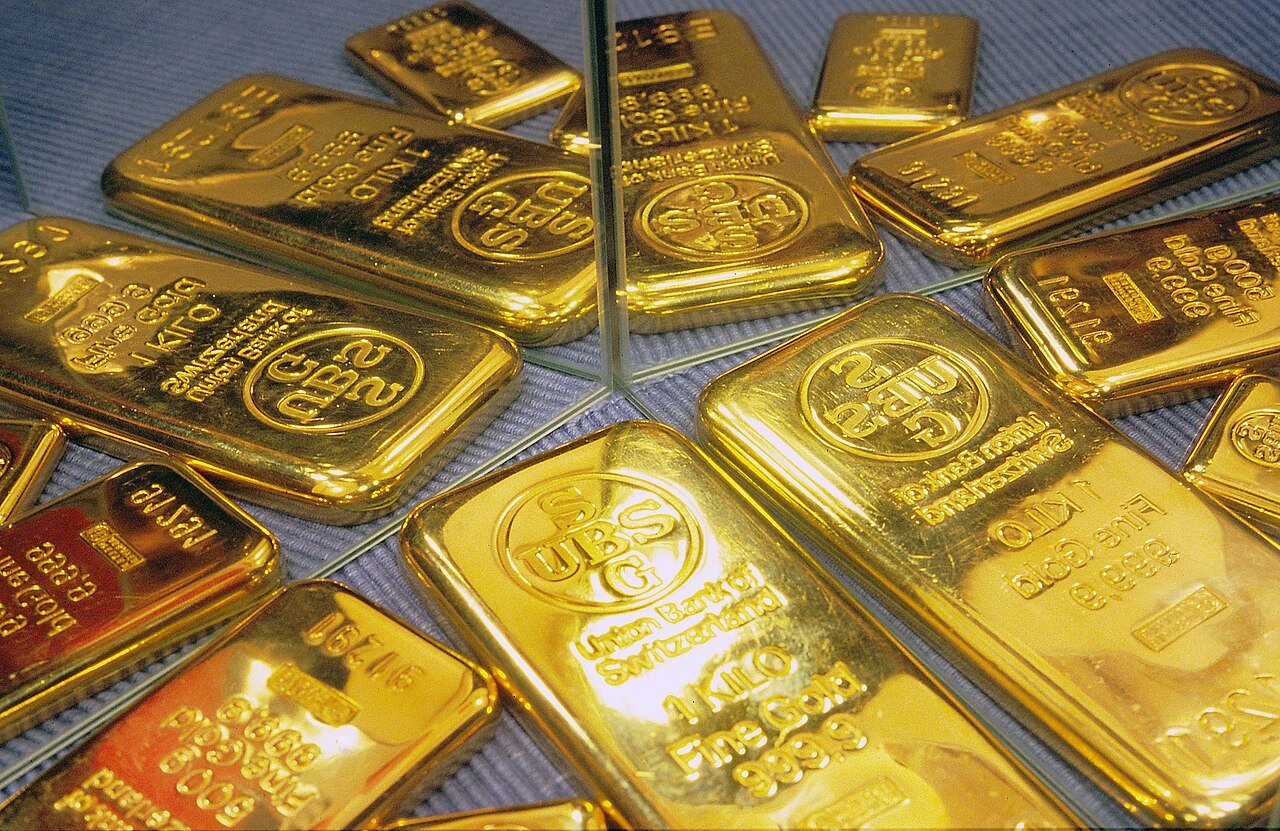
With Dhanteras on 6 November, many families are checking the gold rate every morning. This week it dipped, then steadied. In India, 24-carat gold fell from about ₹1,51,400 per 10 grams on 11 October to ₹1,47,440 on 15 October. On Friday afternoon MCX gold traded near ₹1,48,550, and spot gold held around $4,165 an ounce, less than 1% lower on the week.
The scare. On Wednesday US inflation came in at 3.7%, above forecasts, and producer prices rose 6.3%. Traders rushed to price another Fed rate hike at the 27–28 October meeting: the odds jumped from about 22% to as much as 45%. Gold pays no interest, so it slipped to about $4,073 on 14 October.
Why it held. By Friday the odds of an October hike were back near 17%, and the 10-year US yield had eased from 5.33% to about 5.10% as investors sold technology shares and bought bonds. Steady buyers helped too. US-listed gold ETFs took in $11.7 billion in July to September, including $3.7 billion in September while prices fell, and China's consumer gold imports hit a record 1,141 tonnes in the first eight months of the year, State Street reports.
In short: gold spent the week in a $4,100–$4,200 range, waiting for the Fed. Higher US rates have been its main weight this year, so the 28 October decision matters for the Dhanteras price too. On MCX, Gold Petal (1 g) and Gold Mini (100 g) let buyers spread purchases over several days instead of one.
Sources: Goodreturns, 16 Oct 2026 (MCX, retail rates); FXStreet, 16 Oct 2026; CNBC (CME FedWatch) and Investing.com, 14 Oct 2026; Yahoo Finance, 16 Oct 2026; State Street (SSGA), Monthly Gold Monitor, Oct 2026; Silver Compass Research (Substack), 17 Oct 2026. News for information only; not a recommendation to buy or sell.
Silver fell 6% in a week that should have helped it.
A weaker dollar and lower real interest rates usually lift precious metals. This week both moved silver's way, and silver still fell. December silver on Comex ended Friday at $57.31 an ounce, down 6.1% on the week, while gold lost less than 1%. On MCX, silver went from about ₹2,26,100 a kilo on 9 October to roughly ₹2,13,500 on Friday.
The sharp days. Most of the fall came between 12 and 15 October, when silver in China dropped 8.6%. Wednesday's hot US inflation report set off selling across precious metals. From its late-August high to 15 October, silver fell 19.6%.
The solar side. Solar panels are silver's largest industrial use. China's solar cell output fell 15.2% from a year earlier in September as factories paused lines for upgrades, and the industry ran at just 53.5% of capacity, according to Shanghai Metals Market. Fewer cells means less silver paste bought.
A Friday bounce. Silver rose about 1% on Friday to near $57.6. An ounce of gold now buys about 73 ounces of silver.
In short: silver moves further than gold in both directions, and this week showed it. On MCX, Silver Micro (1 kg) is the smallest lot; margin and position size matter even more here than with gold.
Sources: Silver Compass Research (Substack), 17 Oct 2026; Goodreturns and StartupTalky, 16 Oct 2026 (MCX); SMM (Shanghai Metals Market), 16 Oct 2026. News for information only; not a recommendation to buy or sell.
A digital version of a wholesale mandi. Instead of company shares, you trade contracts on raw materials such as gold, oil or jeera, taking a view on whether the price will rise or fall.
Why look at commodities at all?
Gold often does well when shares do badly, commodity prices tend to rise with inflation, and margin lets you start with a fraction of the contract's value.
Where does the trading happen?
On MCX, where almost all gold, silver, oil and metal trading happens, and NCDEX, for farm products such as soybean and guar seed.
What do most people start with?
Gold, silver and crude oil. They are the easiest to buy and sell, because there are always many people trading them.
What are the timings?
Monday to Friday from 9:00 am. Gold, silver, oil and metals trade until 11:30 pm (11:55 pm from November to March); most farm contracts stop around 5:00 pm.
Who can trade?
Any Indian adult with PAN and a bank account. Jewellers and farmers use it to protect their prices; others use it to invest or trade.
Do I need a separate account?
No new demat. You switch on the commodity segment on your Motilal Oswal trading account, with proof of income such as a 6-month bank statement.
What are the risks?
Contracts are leveraged: a small margin moves with the full value, so losses can exceed what you put in, and lots expire on fixed dates. Read the exchanges' Risk Disclosure Document and Do's & Don'ts before you trade.